Breakthrough nonprofits: Where to donate for Native American Heritage Month



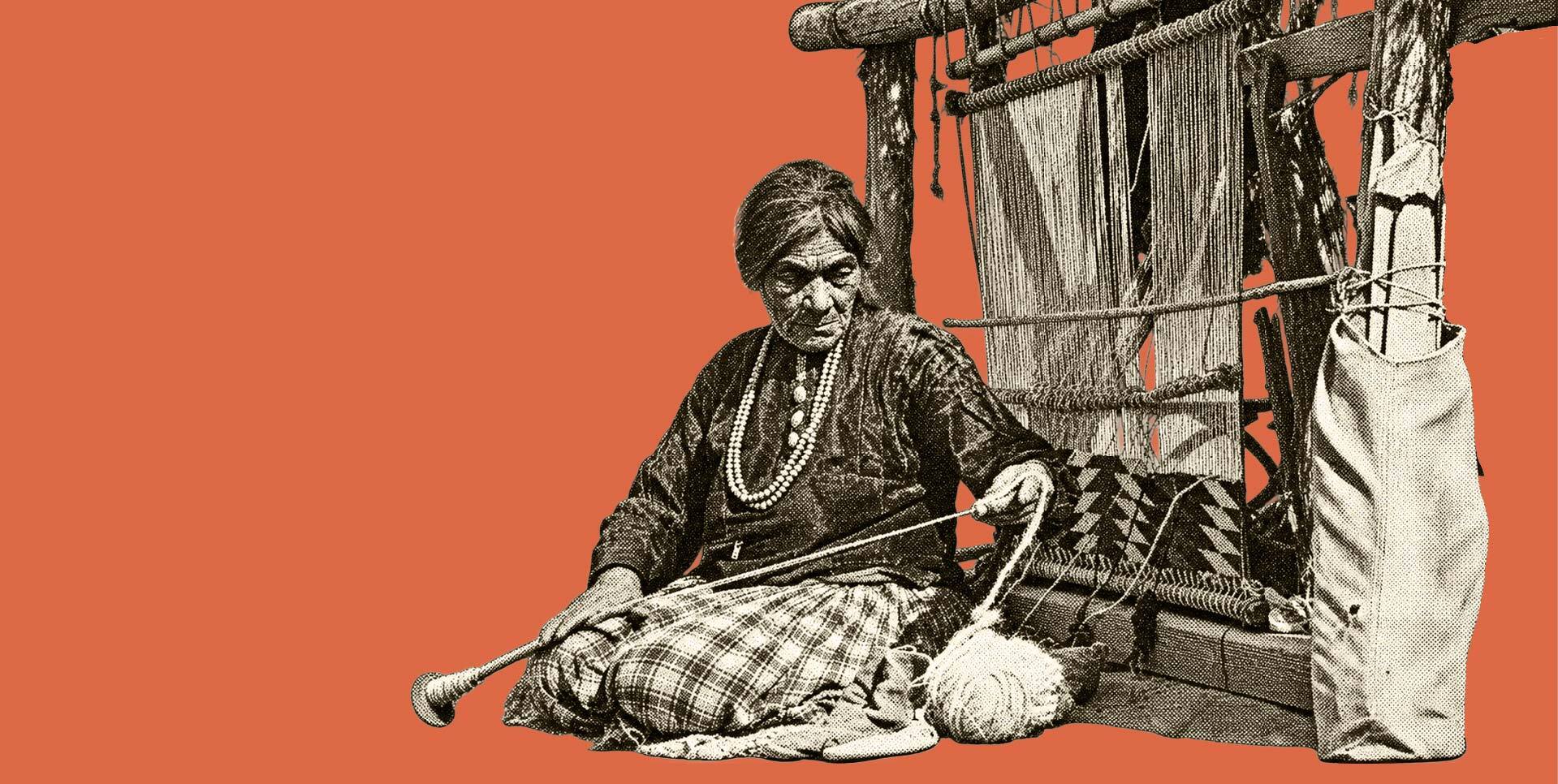
Long before November was recognized as a federal heritage month, Arthur C. Parker was making the case for it. A Seneca historian and the director of a museum in Rochester, New York, Parker helped found the Society of American Indians in 1911 and persuaded the Boy Scouts of America to observe a "First Americans" day in the 1910s. It took Congress most of the century to catch up: on August 3, 1990, President George H.W. Bush signed a joint resolution naming November 1990 National American Indian Heritage Month. A proclamation has followed every year since 1994.
These days, the month is a celebration of living cultures – languages spoken by children again, buffalo herds returning to the plains, Native designers, filmmakers and technologists shaping what comes next. It's also an honest look at what remains unfinished. By widely cited estimates, Native-led organizations receive less than half of one percent of philanthropic dollars, even as they lead some of the most effective efforts in their own communities.
That gap is exactly why it’s important to think about where to give this month. The organizations below are rebuilding herds, financing Native-owned businesses, searching for missing relatives and teaching the next generation in their own tongues. Each one carries a message heard across Indian Country: we are still here.
This article is part of our Breakthrough Nonprofits series, an extension of our monthly newsletter for nonprofit professionals. The series shines a light on organizations that refuse to accept the status quo, finding new ways to clear the path for the people they serve. Supporting any of the nonprofits below means contributing to a world that is more visible, more sovereign and more just for Native communities everywhere.
The nonprofits
The Give Lively member nonprofits featured below are leading examples of breakthrough work in Native autonomy, culture and community wellbeing: from Tanka Fund, putting buffalo back on Native family ranches, to The Yuchi Language Project, raising a new generation who speak Yuchi as their first language; from The Kwek Society, keeping menstrual products stocked in more than 250 schools and community organizations, to organizations financing Native entrepreneurs, restoring redwood forests and more.
Not Our Native Daughters
Not Our Native Daughters is a national Native-led, survivor-led organization confronting the crisis of missing and murdered Indigenous women and relatives. Founded by Lynnette Grey Bull of the Northern Arapaho Tribe, it runs a Family Support & Liaison Program that stands beside families with emergency travel funds, search coordination, court accompaniment and law-enforcement liaison services. Each week, its "They May Not Make It on the 6 O'Clock News" initiative shares verified flyers for missing Indigenous youth through age 25, rotating by region so visibility travels beyond state lines and reservation boundaries.
BlackStar Projects
BlackStar Projects is a Philadelphia arts organization celebrating visionary Black, Brown and Indigenous artists. It is best known for the BlackStar Film Festival, which marked its 15th edition in August 2026. Beyond the festival, it runs the BlackStar Greaves Seminar, a three-day gathering for Black, Brown and Indigenous artists in cinematic realms. It also publishes Seen, a journal of film and visual culture, and recently opened the People's Cinema Club microcinema. Together, these programs give Indigenous artists, alongside Black and Brown peers, the platforms and community to tell their own stories on screen.
Tanka Fund
Tanka Fund is a Native-led and Native-staffed nonprofit based in Rapid City, South Dakota, with a mission to bring buffalo home to Native land, Native families and Native economies. Since 2014, it has provided animals, grants and technical assistance to Native family- and community-owned buffalo ranches of every tribal affiliation. Its rancher partners now care for more than 2,500 buffalo across more than 100,000 acres. Caretakers keep cultural herds, share healthy buffalo meat with their communities and mentor the next generation of ranchers.
Purple Maiʻa Foundation
Purple Maiʻa Foundation is growing a generation of culturally grounded, community-serving technologists in Hawaiʻi. Its Kula programs build learning pathways in technology for middle school, high school and post-secondary students, while its ʻĀina Foundry turns ideas for land restoration and community needs into viable prototypes and, when they're ready, ventures. It also hosts Eahou Fest, a conference-meets-festival in Mōʻiliʻili, Oʻahu, weaving together tech, art, music and education.
The Center for Native Health
The Center for Native Health is a Native-led, Native-controlled nonprofit in Cherokee, North Carolina, that aims to close health gaps for the Eastern Band of Cherokee Indians and the communities on and around the Qualla Boundary. Guided by Cherokee principles like gadugi, or mutual aid, it treats cultural revitalization as a path to healing. Its Art, Language & Healing program pairs the Cherokee language with traditional crafts, like river cane harvests for artisan workshops, while its Relational Health efforts support Native families through prenatal care, birthing and early childhood. Its Weaving Intergenerational Pathways program brings elders, adults and youth together to blend Indigenous knowledge with Western science and environmental stewardship.
Texas Tribal Buffalo Project
The mission of the Texas Tribal Buffalo Project is to restore kinship between Texas Indigenous lineal descendants and their buffalo relatives. It is a Lipan Apache-led nonprofit and the first Native woman-led organization of its kind in Texas. Founded by CEO Lucille Contreras, it raises a regenerative herd on its Central Texas ranches, using rotational grazing to rebuild soil and revive native grasslands. Programs like Farm to School Basket and Meat for Mama's carry that nourishment into the community, and its bison meat ships nationwide, with food assistance benefits accepted.
Shelterwood Collective
Shelterwood Collective stewards a 900-acre community forest on unceded Kashia territory above the Russian River in Northern California. Led by Indigenous, Black, disabled and queer land protectors and cultural changemakers, it heals interconnected ecosystems through forest restoration, wildfire risk reduction, community organizing and retreats. Volunteers join redwood planting weekends to revitalize the watershed, and its retreat center opens the land to artists, activists and land collective leaders seeking rest and connection. Its guiding framework of right relations measures forest health by the strength of the bonds among the people, plants, animals and waters that share the land.
Widoktadwen Center for Native Knowledge
Widoktadwen Center for Native Knowledge works to make Native Americans visible in Berks County, Pennsylvania, and beyond through community education, leadership and activism. Co-founded by Executive Director Amanda Funk, a Citizen Potawatomi Nation member, and Alexi Weiskircher, the center takes its name from the Potawatomi word for community. It partners with schools, universities and public libraries to teach Native history alongside contemporary Native life, countering the myth that Native people belong only to the past. Its Good Medicine Garden, Native Book Club and Indigenous Little Free Library bring that learning into community spaces on Lenape homelands.
The Kwek Society
The goal of the Kwek Society is to end period poverty in Indigenous communities across the U.S. while celebrating individual dignity, agency and success. Volunteers sew colorful moon time bags and larger Auntie Bags that it fills with supplies, paired with menstrual education rooted in traditional teachings. It now partners with more than 250 schools and community organizations in 26 states and has distributed more than 5.3 million period care items since its founding. Deriving its name from the Potawatomi word for women, the society was founded in 2018 by Eva Marie Carney, a Citizen Potawatomi Nation legislator and human rights lawyer.
Native Daily Network
Native Daily Network is an Indigenous-led nonprofit in Tacoma, Washington, rooted in storytelling, training and land and water stewardship. Its Bee Watered initiative builds pollinator corridors and restores native habitat across Tacoma, while trainings like We Are the Land and First Supporter help organizations move past symbolic land acknowledgments toward real accountability and partnership. Its “Ancestral Waters” documentary followed the Puyallup Tribe's grassroots Water Warriors as they fought to protect treaty tidelands. Its cofounders, Benita and Darren Moore, trace the organization's roots to documenting the 2016 movement there.
First Nations Oweesta Corporation
First Nations Oweesta Corporation, based in Longmont, Colorado, is the longest-standing intermediary serving Native community development financial institutions. For more than 25 years, it has provided the training, technical assistance and capital that help Native people control their economic futures, from small business loans to homeownership. Its approach connects generations of Indigenous resource management with modern financial skills, including through its Building Native Communities financial education curriculum.
The Yuchi Language Project
The Yuchi Language Project is revitalizing Yuchi, a language unrelated to any other, through immersion learning in Oklahoma. Parents are now raising babies solely in Yuchi and children are speaking it as their first language for the first time in nearly a century. The project’s Yuchi Immersion School anchors the effort, supported by community language programs, teacher development that passes elder knowledge to second-language learners and advocacy for all Indigenous languages. The project also trains language programs in Alaska, Florida, Minnesota, Norway and across Oklahoma.
Circles of Empowerment
Circles of Empowerment holds ceremonial space for personal and collective healing in San Luis Obispo County on California's Central Coast. Non-denominational and open to people of all backgrounds, it follows a Native American-inspired Medicine Way grounded in connection to the Earth. Its calendar includes community sweat lodges, full moon circles, vision quests and pipe ceremonies, along with an annual Long Dance gathering each September. Video and elder teachings on its website carry that wisdom to people who can't attend in person.
Resources:
- A Guide to Indigenous Land Acknowledgment by the Native Governance Center
- Native Land Digital tool
- For educators, a list of Free Learning Resources for Native American Heritage Month provided by Common Sense Education
- Accessible, introductory-level resources on a variety of topics related to sovereignty, governance and nation-rebuilding from Native Governance Center
Read More